When it comes to concrete wall construction, choosing the right wall type can make a big difference in strength, durability, and cost. Homeowners and builders often face the choice between a poured wall and a block wall, each offering unique advantages for foundations, exterior walls, and commercial wall construction.
Understanding the differences in structural performance, installation speed, and long-term durability is essential before starting a project. Peraza Construction can help guide you through this decision, providing expertise and professional solutions tailored to your project’s needs. With years of experience in both poured and block wall construction, our team ensures quality, precision, and long-lasting results for every project.
This guide will provide a detailed, concrete wall comparison, helping you decide which wall is better for your next build.
What are Poured Walls and Block Walls?
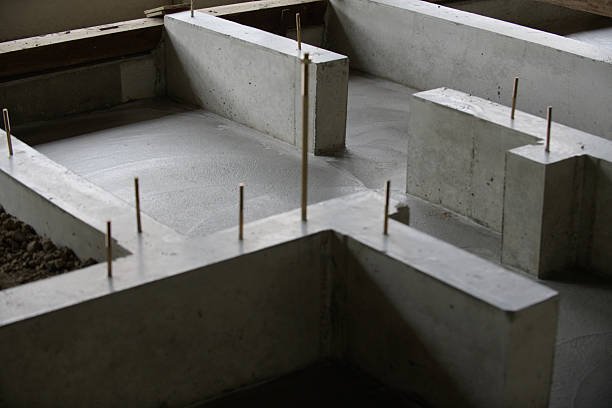
In concrete construction, walls are typically built using either poured concrete or concrete blocks. A poured wall is made by pouring concrete into temporary forms, often reinforced with steel bars for added strength. This method creates a continuous, solid wall that is particularly strong and durable, making it ideal for foundations and walls below ground.
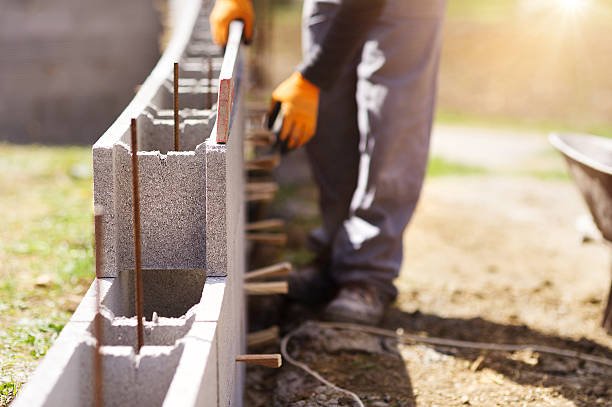
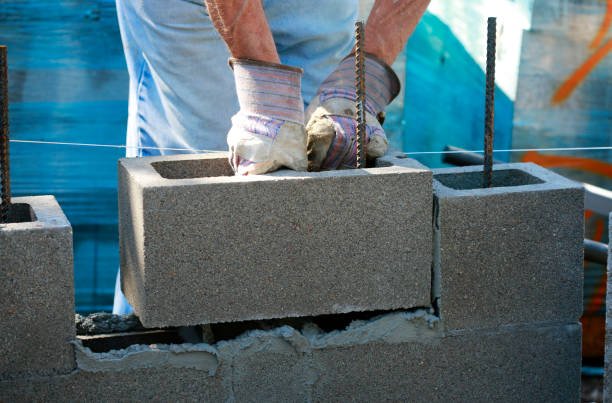
A block wall, sometimes called a CMU wall, is built by stacking concrete blocks, which are often filled with grout and reinforced with steel where needed. Block walls are modular, easier to modify during construction, and commonly used for both interior and exterior walls.
Our skilled concrete wall construction professionals know that each type has its advantages, depending on the project’s requirements, budget, and desired construction speed. This is why we work closely with clients to recommend the best wall type for their specific project, ensuring strength, durability, and efficiency from start to finish.
Poured Wall Vs Block Wall – A Detailed Concrete Wall Construction Comparison:
Now that we have discussed what a poured wall and a block wall are, we will now focus on comparing different aspects of concrete wall construction of these two wall types. It will help you decide which one is better for you.
Structural Strength and Durability:
Poured Wall: Poured walls are solid and continuous, giving them excellent strength and durability. They handle vertical and lateral loads well, making them ideal for foundations and below-grade walls.
Block Wall: Block walls are built by stacking individual blocks with grout and steel reinforcement. They are strong, but slightly less sturdy than poured walls, and may require repairs if cracks develop over time.
Installation Time and Construction Process:
Poured Wall: Requires setting up forms and reinforcing steel before pouring, and the concrete needs time to cure. The setup can be labor-intensive, but once pouring begins, the process is fast.
Block Wall: Blocks are stacked and grouted, which is straightforward and requires no forms. While initial assembly is easy, large projects may take longer due to laying and finishing each block.
Waterproofing and Moisture Resistance:
Poured Wall: Poured walls have a continuous surface with very few joints, which gives them better natural resistance to water infiltration. This makes them particularly suitable for basements, retaining walls, and other below-grade applications where moisture protection is critical.
Block Wall: Block walls have multiple joints between blocks, which can create pathways for water to seep through if not properly treated. Effective sealing, waterproofing coatings, or membranes are usually required to prevent moisture issues and maintain wall integrity over time.
Energy Efficiency and Insulation:
Poured Wall: The dense concrete of poured walls provides good thermal mass, helping to regulate indoor temperatures by absorbing and slowly releasing heat. This can contribute to more consistent indoor comfort and reduced heating or cooling costs.
Block Wall: The hollow cores of block walls can be filled with insulation materials, allowing flexibility to enhance energy efficiency. This makes block walls adaptable for projects where additional thermal performance is needed without changing the wall structure.
Design Flexibility and Customization:
Poured Wall: Poured walls create smooth, continuous surfaces that are ideal for architectural finishes, coatings, or textured treatments. They can also be shaped into curves or unique designs, offering more creative freedom for exterior or interior applications.
Block Wall: Block walls have a modular design, which makes it easier to adjust layouts or make changes during construction. Various block finishes and textures are available, providing aesthetic options for both interior and exterior surfaces.
Maintenance and Longevity:
Poured Wall: Poured walls are highly durable and require minimal maintenance. Their solid construction allows them to last for decades, making them a reliable long-term investment for foundations or structural walls.
Block Wall: Individual blocks can be repaired or replaced if damaged, which makes maintenance simpler in localized areas. However, the overall long-term durability of block walls depends on proper reinforcement, quality grout, and effective sealing to prevent moisture-related problems.
Cost Comparison
Poured Wall: Costs depend on concrete, formwork, and labor. Complex forms or added reinforcement can increase expenses, though larger pours can be more efficient.
Block Wall: Costs include blocks, grout, reinforcement, and labor for stacking. Initial materials may be lower, but finishing and labor can affect the total cost.
Poured Wall Vs Block Wall – A Head-to-Head Comparison:
| Feature | Poured Wall | Block Wall |
| Structural Strength | Solid, continuous, strong under pressure | Strong with reinforcement, but modular and slightly less robust |
| Durability | Long-lasting, minimal maintenance | Durable, repairs easier for individual sections |
| Installation | Requires formwork and curing time | Easier to assemble, but stacking and grouting take time |
| Moisture Resistance | Fewer joints, naturally more resistant | Multiple joints need sealing for water protection |
| Energy Efficiency | Dense, good thermal mass | Hollow cores can be filled with insulation |
| Design Flexibility | Smooth surface, easy for finishes and shapes | Modular, easier to adjust layouts, varied finishes |
| Cost | Depends on concrete, forms, and labor | Depends on blocks, grout, reinforcement, and labor |
Which Option is Better for Concrete Wall Construction?
The choice between a poured wall and a block wall depends on the project. Poured walls offer continuous strength, durability, and good moisture resistance, making them suitable for foundations and below-grade walls.
Block walls provide flexibility, easier repairs, and can be adjusted or insulated as needed. The best option depends on factors like budget, design, and project requirements.
Make the Concrete Wall Construction Decision with Peraza Construction:
Choosing the right wall type can be challenging, but Peraza Construction is here to help. With experience in both poured walls and block walls, our team can guide you through the decision process, considering your project’s strength, durability, design, and budget requirements.
From planning and design to installation, we ensure your concrete wall construction meets your goals efficiently and effectively.
Whether it’s a residential foundation, commercial building, or exterior wall project, Peraza Construction provides expertise, professional guidance, and quality workmanship to help you make the best choice for your project.
Our company is proudly offering its services in the following areas:
Get a Quote Today:
Ready to start your concrete wall project? Contact Peraza Construction today to discuss your options and get a personalized quote. Let our experts help you choose the best wall type and ensure a smooth, professional construction process from start to finish.
Frequently Asked Questions:
1. How do poured walls differ from block walls?
Poured walls are made by pouring concrete into forms, creating a solid wall. Block walls are stacked units joined with mortar and sometimes reinforced.
2. Which wall type takes longer to build?
Block walls are quicker to assemble for small projects. Poured walls need formwork and curing, which takes more time.
3. Which wall resists water better?
Poured walls have fewer joints, so they naturally resist water. Block walls need extra sealing to prevent leaks.
4. How do the costs compare?
Block walls often cost less initially. Poured walls can be more expensive due to labor and formwork.
5. Does reinforcement affect wall strength?
Yes, reinforcement makes both walls stronger. Poured walls usually have built-in rebar, while block walls rely on grout and steel.