Full-service concrete projects are the backbone of durable structures, from residential driveways to commercial floors. While these projects often appear flawless on the surface, hidden mistakes can compromise strength, longevity, and safety.
Issues like improper mix, poor curing, or unnoticed structural flaws often go undetected until significant damage occurs. Understanding these hidden errors is crucial for homeowners, contractors, and developers alike.
Backed by years of hands-on experience in full-service concrete work, Peraza Construction understands how to spot these problems and apply proven solutions before they become costly repairs.
In this article, we’ll explore 15 common hidden mistakes in concrete projects and reveal how experienced professionals detect, correct, and prevent them, ensuring a long-lasting, reliable result.
1. Incorrect Load Calculations
Misjudging the weight a concrete slab must support can cause cracking, sagging, or structural failure over time. Even minor miscalculations in load distribution compromise durability, making precise calculations during the design phase critical to ensure long-term stability and safety.
How Experts Fix It:
Expert full-service concrete construction service providers strengthen weak areas with rebar or overlays and adjust the design to redistribute loads, preventing future cracks and structural failure.
2. Poor Site Evaluation
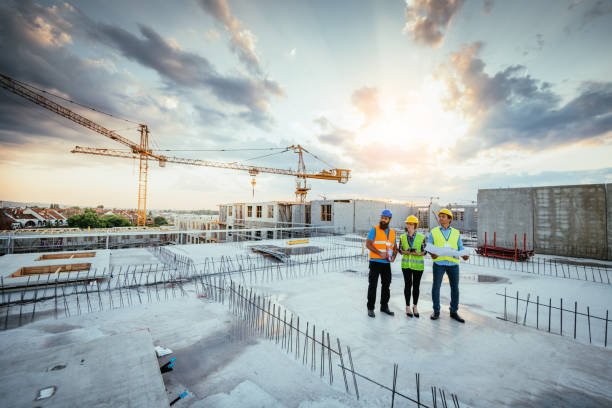
Neglecting to assess soil type, slope, drainage, or underground conditions can result in uneven settling, water pooling, or foundation instability. Proper evaluation ensures the ground can support the structure, preventing hidden issues that may appear months or years later.
How Experts Fix It:
Professionals conduct soil testing, improve grading, and install drainage or foundation stabilization to correct underlying site problems.
3. Inadequate Reinforcement Planning
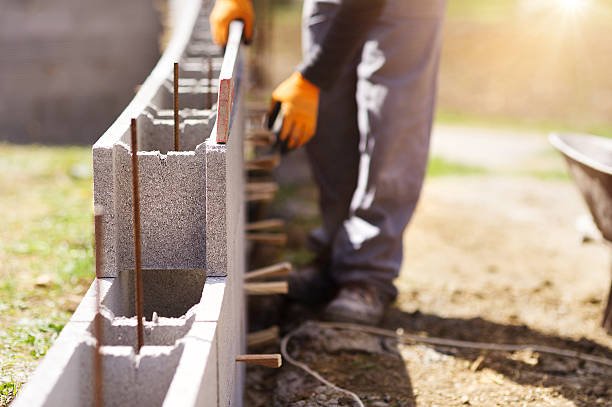
Using too little reinforcement or placing it incorrectly weakens the slab, making it prone to cracks, deformation, or early failure. Proper planning of rebar or mesh layout is vital for distributing stress evenly and ensuring long-term structural integrity.
How Experts Fix It
Experts add or reposition rebar, use mesh overlays, and apply fiber-reinforced concrete to strengthen weak sections.
4. Low-Quality or Incorrect Concrete Mix
Using a concrete mix with the wrong ratio or low-quality materials reduces strength and durability. Incorrect mixes can cause surface erosion, cracking, and weak resistance to weather or chemicals, significantly shortening the lifespan of the concrete structure.
How Experts Fix It:
Professionals replace weak areas or apply high-strength overlays and ensure proper mix designs for future pours.
5. Improper Material Storage or Temperature Management
Cement, aggregates, and other concrete materials stored in poor conditions or poured under extreme temperatures can compromise performance, causing weak spots, cracks, or surface defects over time.
How Experts Fix It:
Experts store materials correctly, control pouring temperatures, and use curing blankets or admixtures as needed.
6. Skipping Proper Curing
Rushing or skipping curing causes shrinkage cracks, surface imperfections, and long-term weakening, even when the concrete initially appears flawless. Proper curing ensures concrete hardens gradually to reach maximum strength and durability.
How Experts Fix It:
Experts maintain moisture and temperature during curing or apply curing compounds to strengthen and protect the concrete.
7. Improper Pouring Techniques
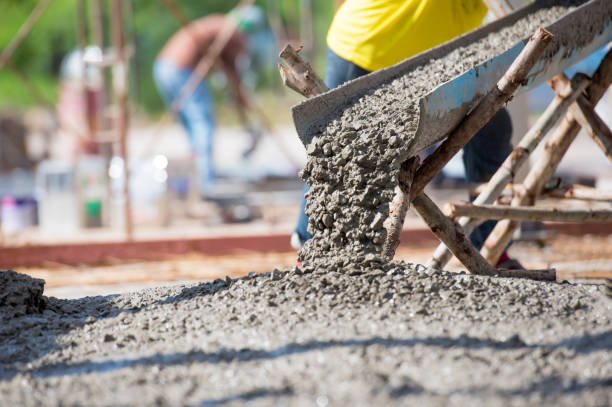
Uneven pouring, insufficient vibration, or poor layer management can create cold joints, segregation, and trapped air pockets. These hidden flaws reduce structural integrity, often remaining invisible until months later, when cracks or surface deterioration appear.
How Experts Fix It:
Contractors re-pour or patch weak areas and use proper vibration and pouring techniques to eliminate defects.
8. Uneven Leveling or Poor Finishing
Improper leveling, rough finishing, or uneven slopes can create water drainage problems, trip hazards, and early surface wear. Even small imperfections affect aesthetics and functionality, making precise finishing techniques crucial for long-lasting surfaces.
How Experts Fix It:
Experts grind, level, and re-finish surfaces, correcting slopes and imperfections to ensure smooth, functional concrete.
9. Incorrect Timing for Finishing or Joint Placement
Finishing too early or too late, or placing control joints improperly, can cause cracking as concrete cures and shrinks. Proper timing is critical to manage shrinkage and maintain slab integrity.
How Experts Fix It:
Professionals adjust timing and reposition joints to control shrinkage and prevent unpredictable cracking.
10. Poor Drainage
Water pooling around or on a concrete slab accelerates erosion, staining, and structural damage. Without proper grading or drainage solutions, even a well-constructed slab can deteriorate prematurely.
How Experts Fix It:
Experts improve site grading, install drains, or slope surfaces to ensure water flows away from concrete.
11. Exposure to Extreme Weather
Pouring concrete in hot, cold, or wet conditions without precautions can cause thermal cracking, scaling, or weak curing. Weather-sensitive measures are essential for strong, durable concrete.
How Experts Fix It:
Experts use protective coverings, admixtures, or schedule pours around favorable weather to prevent damage.
12. Failure to Account for Expansion and Contraction
Concrete expands and contracts with temperature changes. Neglecting this movement results in warping, cracking, and uneven surfaces, reducing durability.
How Experts Fix It:
Professionals install expansion joints and control cracking to allow movement without damage.
13. Skipping Sealants or Protective Coatings
Concrete is porous and susceptible to water, chemicals, and wear. Skipping sealants or coatings reduces lifespan, leaving surfaces exposed to damage and erosion.
How Experts Fix It:
Experts apply sealants or protective coatings to improve durability and reduce long-term maintenance.
14. Ignoring Micro-Cracks
Tiny cracks may seem cosmetic, but allow water and chemicals to penetrate, accelerating deterioration. Untreated micro-cracks expand into serious structural issues if ignored.
How Experts Fix It:
Professionals identify and fill micro-cracks using sealants or repair compounds before they worsen.
15. Lack of Regular Inspections
Even well-constructed concrete can develop hidden problems. Without periodic inspections, small cracks, drainage issues, or surface wear go unnoticed, eventually requiring costly repairs.
How Experts Fix It:
Experts perform routine inspections to detect issues early and apply preventative maintenance to extend concrete life.
Get the Right Full-Service Concrete Construction with Peraza Construction:
When it comes to avoiding hidden mistakes and ensuring long-lasting concrete projects, experience and expertise matter. Peraza Construction specializes in full-service concrete solutions, combining precise planning, high-quality materials, and skilled execution. We offer our full-service concrete construction services in Napa, Sonoma, San Rafael, Novato, and Walnut Creek to help people achieve durable, reliable, and long-lasting concrete results.
From accurate load calculations and proper site evaluation to professional pouring, curing, and finishing, Peraza Construction handles every stage with meticulous attention to detail. Our team identifies potential issues before they become problems, applies industry-proven techniques, and ensures proper maintenance strategies are in place.
Call Us Today!
Don’t risk hidden mistakes in your concrete project. Call us today and let our experts handle every detail, delivering durable, flawless, and worry-free results for your home or business.
Frequently Asked Questions:
1. What is full-service concrete construction?
It covers everything from site evaluation and design to pouring, finishing, and maintenance. You get a complete, high-quality solution without hiring multiple contractors.
2. How do I know if my concrete project has hidden mistakes?
Look for cracks, uneven surfaces, water pooling, or premature wear. Experts can inspect and identify issues before they worsen.
3. Why is proper curing important for concrete?
Curing helps concrete harden evenly and reach full strength. Skipping it can cause cracks and long-term weakness.
4. How can Peraza Construction prevent common concrete mistakes?
We handle every stage carefully, from calculations to finishing. Our expert techniques and quality materials ensure long-lasting, durable results.
5. Do I need regular maintenance for concrete surfaces?
Yes, inspections and minor repairs prevent small problems from becoming costly. Sealing and crack repair extend the concrete’s lifespan.