

If you are planning construction or remodeling work in California, it is natural to wonder whether a general contractor can legally perform electrical work on your home. The simple answer is yes. However, that permission comes with important limits set by California law.
Not all electrical work is allowed under a general contractor’s license, and the scope of the project matters. In many cases, electrical tasks must be performed or directly handled by a licensed electrical contractor.
Understanding where those boundaries exist helps homeowners avoid code violations, failed inspections, and costly legal issues during a construction project.
General Contractor vs Electrical Contractors
When planning construction or remodeling, homeowners often wonder who should handle electrical work: a general contractor or a licensed electrical contractor. Both have roles, but they differ in scope, expertise, and legal permissions.
General Contractor
A general contractor manages and performs projects that involve multiple trades, like framing, plumbing, and minor electrical work. They can also coordinate subcontractors, including licensed electricians.
Pros:
- Single point of contact for your project.
- Can manage schedules, materials, and multiple trades at once.
- Handles project permits and inspections for the whole job.
- Ideal for remodels or additions that include incidental electrical work.
Cons:
- Limited legal ability to perform major electrical work.
- Cannot upgrade service panels, rewire a whole house, or install major electrical systems themselves.
- Must subcontract specialized electrical work, which may add cost.
Licensed Electrical Contractor
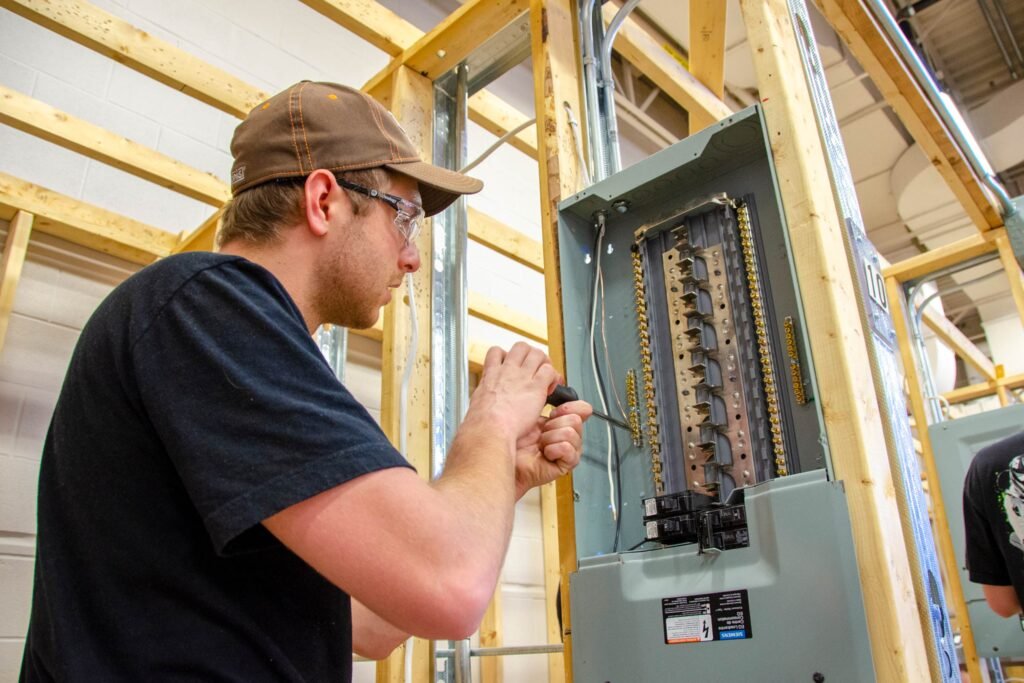
A C-10 licensed contractor specializes in all types of electrical work. They can handle major projects like service panel upgrades, complete rewiring, and complex electrical systems.
Pros:
- Legally authorized to perform all electrical tasks.
- Experienced in code compliance and permits specific to electrical work.
- Reduces safety risks associated with electrical hazards.
Cons:
- Usually handles only electrical work, not other trades.
- Homeowners may need multiple contractors if the project involves plumbing, framing, or other trades.
- Scheduling coordination may be more complicated if other trades are involved.
How Contractor Licenses Work in California
California regulates construction through the Contractors State License Board (CSLB). Every contractor must hold the correct license for the type of work they perform. Understanding the difference helps homeowners know who can legally do what and protects your home from unsafe or unpermitted work.
Class B – General Contractor License
A Class B license is held by general contractors. This license allows them to manage and perform projects that involve two or more unrelated trades, such as framing, plumbing, and minor electrical work combined.
- General contractors can handle minor electrical tasks that are incidental to a larger construction project.
- They can also coordinate and oversee licensed subcontractors, including electricians, to ensure all work is legal and code-compliant.
- Ideal for remodels, additions, or multi-trade projects where electrical work is part of a larger scope, not the main focus.
C-10 – Electrical Contractor License
A C-10 license is specific to electrical contractors. It is required for most standalone electrical projects or major electrical work, such as:
- Whole-house rewiring
- Service panel upgrades
- New electrical systems in residential or commercial buildings
- C-10 contractors are trained and licensed to perform all types of electrical work safely.
- They can pull permits, pass inspections, and are legally responsible for compliance.
- Homeowners must hire a C-10 contractor for any project where electrical work is the primary focus.
Electrical Tasks a General Contractor Is Allowed to Handle
A general contractor can perform certain electrical tasks in California, but only when they are incidental to a larger construction project. These tasks are usually minor and support the overall work, not the main focus.
- Installing or Relocating Outlets and Switches
General contractors can add new outlets or move existing ones as part of a remodel. For example:
- Moving outlets to accommodate a new kitchen layout
- Installing additional outlets in a remodeled room
- Adjusting switch placement for better functionality
This work must be part of a larger project and not a standalone electrical job.
- Installing or Adjusting Lighting Fixtures
Adding or relocating light fixtures is generally allowed when tied to a remodeling project. Examples include:
- Installing ceiling lights in a new room addition
- Replacing outdated fixtures during a kitchen or bathroom remodel
- Moving lights to fit new interior layouts
Minor wiring required to complete these tasks is included under incidental work.
- Low-Voltage Wiring for Certain Systems
Some low-voltage work may be performed if it supports the overall construction project, such as:
- Doorbell wiring
- Landscape lighting wiring
- Certain security or speaker system wiring (low voltage only)
High-voltage wiring or major systems still require a licensed electrical contractor.
- Temporary or Support Wiring During Construction
General contractors can install temporary wiring needed for construction or remodeling. Examples:
- Powering tools or lighting for a construction site
- Temporary connections during a remodel
- Relocating power safely to facilitate other trades
These setups are short-term and incidental, not permanent, standalone electrical work.
- Coordinating Electrical Work with Licensed Subcontractors
While this isn’t a “task” in the hands-on sense, general contractors often manage or supervise electrical work performed by licensed electricians. They ensure:
- Work is completed safely
- Code compliance is maintained
- Scheduling aligns with other trades
This allows the project to proceed smoothly while staying legal.
Maintaining Code Compliance and Jobsite Safety
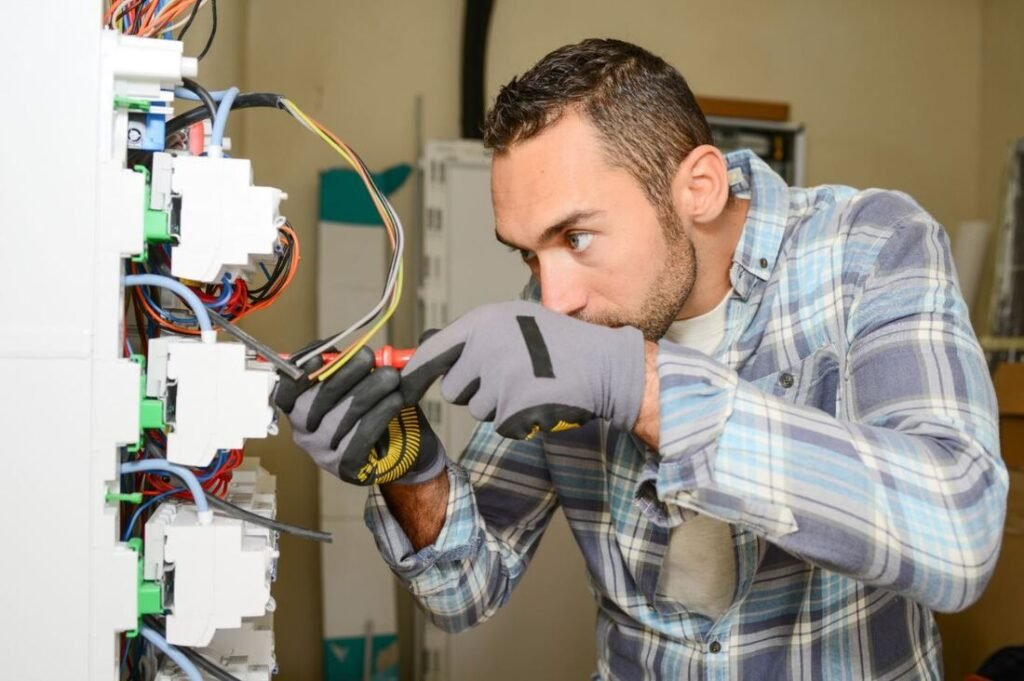
Electrical work must meet California building codes, local regulations, and safety standards. This applies no matter who performs the work.
Professional general contractors understand permit requirements and inspection processes. They ensure work is completed according to code and scheduled for inspection at the correct stages.
This matters for homeowners because non-compliant electrical work can fail inspections, delay occupancy, or create safety hazards. Poor electrical work is a common cause of fires and insurance claims.
Hiring a properly licensed contractor reduces these risks and protects the value of your home.
Risks and Penalties of Unlicensed Electrical Work
Hiring an unlicensed contractor for electrical work may seem cheaper, but it can create serious problems. Here are the main risks you could face:
- Fines and legal penalties: California can require you to remove or redo unpermitted work.
- Failed inspections: Work done by unlicensed contractors often doesn’t pass building inspections.
- Insurance denial: Damage, fire, or injuries caused by unlicensed work may not be covered.
- Personal liability: Homeowners can be held responsible if someone is injured or property is damaged.
- Safety hazards: Improper electrical work increases the risk of fires, shocks, or system failures.
Situations That Require a Licensed Electrical Contractor
Certain electrical projects always require a licensed electrical contractor.
These include service panel upgrades, whole-home rewiring, new electrical systems, and major commercial or multi-unit work. Standalone electrical projects also require a C-10 contractor.
In these cases, a general contractor may still be involved, but the electrical work itself must be performed or directly contracted to a licensed electrician.
This partnership is common and legally required on many projects.
Smart Tips for Homeowners Planning Electrical Work
Electrical work can be risky if not handled properly. These tips help homeowners stay safe and compliant:
- Check licenses: Verify the contractor’s license on the CSLB website and make sure it matches the type of work.
- Ask about permits: Confirm who will pull permits and handle inspections. Licensed contractors should be transparent about this.
- Clarify responsibilities: Ask exactly who will perform the electrical work. Don’t assume it’s included in the general contract.
- Hire a licensed electrician when in doubt: For any work that may exceed a general contractor’s scope, using a licensed C-10 electrician ensures safety and compliance.
- Keep records: Save copies of licenses, permits, and contracts to protect yourself if issues arise.
Peraza Construction’s General Contracting Services:
Peraza Construction offers professional general contracting for residential and commercial projects. We handle planning, scheduling, permits, and coordination of all trades, making remodeling and construction easier for homeowners.
Our main general contractor services include:
- Full home construction services
- Custom home builders
- Kitchen and bath remodeling specialists
- Framing and structural support
- Foundation and framing experts
Areas we serve in:
We offer our expertise in the following areas:
Call us today to discuss your project and get started!
What This Means for You
So, can a general contractor do electrical work in California? Yes, but only within specific legal limits. The type of work, the scope of the project, and licensing requirements all matter.
For homeowners, the safest approach is working with licensed professionals who understand California law and follow proper permitting and safety standards. Doing so protects your home, your investment, and your peace of mind.
Frequently Asked Questions:
1. Can a general contractor perform all types of electrical work in California?
No. They can only do electrical work that is incidental to a larger construction project and not the main focus. Standalone electrical work must be done by a licensed electrical contractor.
2. What is considered incidental electrical work?
Incidental work includes tasks like installing or moving outlets, adding lighting fixtures, or minor wiring during a remodel. It cannot include major projects like panel upgrades or whole-home rewiring.
3. Do I need a licensed electrician for my remodel?
It depends on the type of electrical work. If the project involves high-voltage wiring, new service lines, or major electrical systems, a C-10 licensed electrician is required.
4. Can a handyman do electrical work in California?
No. Handymen are not legally allowed to perform most electrical work. Even minor tasks can be illegal if they exceed licensing limits.
5. What risks do I face if I hire an unlicensed contractor?
You could face fines, failed inspections, insurance denial, personal liability, and safety hazards. Improper electrical work also increases the risk of fire or shocks.
6. How can I verify a contractor is licensed?
Check their license on the California Contractors State License Board (CSLB) website. Make sure the license type matches the work they will perform.
7. Should I hire a general contractor or a licensed electrician for a large project?
For large projects, a general contractor can manage the overall work and coordinate licensed electricians. This ensures electrical work is done safely, legally, and in coordination with other trades.